Applied AI inside the systems you already run
We put language models, retrieval and computer vision to work inside your existing tools — with guardrails, evaluation and monitoring so results stay reliable.
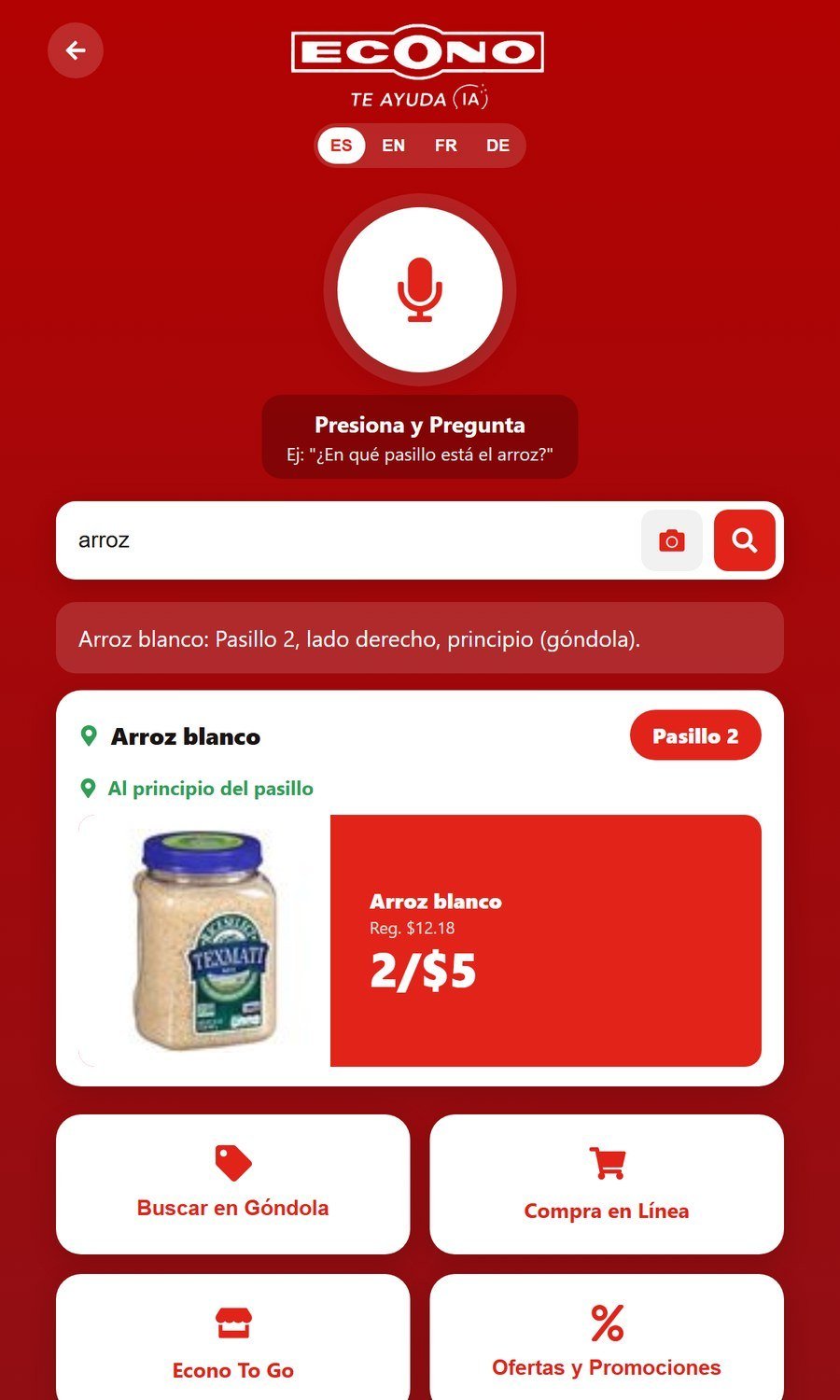
Where it makes the biggest difference
Knowledge bases (RAG)
Answers grounded in your documents, with sources.
Document processing & OCR
Extract and compare data from PDFs, flyers and forms.
Computer vision
Recognise products and objects from a camera or image.
Scoring & classification
Rank leads, candidates or tickets against your criteria.
Content generation
Drafts, summaries and reports with guardrails and review.
Evaluation & monitoring
Test sets and tracking so quality holds after launch.
How we take it from idea to live
Define the task
What “good” looks like, with test cases agreed up front.
Prototype on your data
Compare models and approaches on real examples.
Integrate with guardrails
Into your product or tools, with limits and fallbacks.
Monitor & improve
Track accuracy and cost, and refine over time.
Built with
We choose the platforms for your requirements. These are the ones we use most for this work.
- OpenAI
- Claude
- LangChain
- Python
- AWS
- Google Cloud
Related work
Which AI models do you use?
We choose per task — OpenAI, Claude, Gemini or open-source models — based on accuracy, speed, cost and data requirements.
How do you measure accuracy?
We agree test cases before we build and evaluate against them before and after launch.
What about our data privacy?
We limit access to what the system needs and use provider options that don’t train models on your business data.
Have a process that should run itself?
Book a 30-minute discovery call. We’ll look at the workflow with you and tell you honestly what AI can and can’t do for it.